Read this article in 中文 Français Deutsch Italiano Português Español
Electrification takes center stage

October 28, 2024
Dallas Fed asks oil & gas sector players about importance of electrification
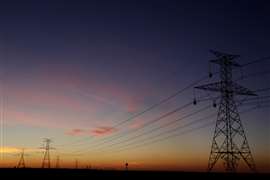 Image: Reuters
The oil and gas sector is grappling with a slight decline in activity, according to the latest Energy Survey from the Dallas Federal Reserve. The survey, which gathered insights from 136 energy firms between Sept. 11-19, reveals thoughts about electrification within the industry as well.
The business activity index, a key measure of operational conditions in the Eleventh District, dropped from 12.5 in the second quarter to -5.9 in the third quarter of 2024. While exploration and production (E&P) firms reported stable conditions with an index of 0, service firms faced significant challenges, reflected in a -18.1 index. Oil production saw a modest uptick, with the index rising from 1.1 to 7.9, while natural gas production faced a downturn, plummeting from 2.3 to -13.3.
Amid these fluctuations, rising costs continue to be a concern. The input cost index for oilfield services firms decreased from 42.2 to 23.3, suggesting a slowing pace of cost increases. However, despite this slight improvement, the overall sentiment remains cautious, particularly as firms anticipate ongoing economic uncertainties.
The Push Toward Electrification
In a dedicated section of the survey, executives were asked about their firms’ electrification strategies for oilfield operations. Eighteen percent of respondents indicated their operations are already fully electrified, while 6% aim for complete electrification. An additional 31% anticipate partial electrification, leaving 45% with no plans for electrification at all.
Interestingly, responses varied significantly by firm size and type. Among small E&P firms, 28% reported full electrification, compared to just 6% of larger firms. Conversely, oil and gas support service firms showed a higher reluctance to electrify, with 45% of these executives indicating no plans to pursue electrification.
The survey also highlighted lead times for electrical components, critical for electrification efforts. A majority of executives (54%) reported lead times of less than one year, while 21% indicated delays of one to two years. Alarmingly, some firms noted that lead times for electrical components have soared from 10-12 weeks to 100-120 weeks, with costs increasing by 50-80%.
Challenges to Electrification
When asked about the primary challenges to electrification, respondents from firms focused on the Permian Basin highlighted “uncertainty about future access to the grid” as their top concern, selected by 29% of executives. This was followed closely by infrastructure challenges. In contrast, firms operating outside the Permian cited high costs as their primary barrier to electrification, with 30% indicating this as their main concern.
For those executives who do not plan to electrify, the cost factor loomed large, with 48% citing expense as the primary deterrent. Additionally, both “uncertainty about future grid stability” and unspecified “other” concerns were raised by 17% of respondents.
Broader Industry Impacts
Despite the push toward electrification, broader industry conditions remain shaky. The company outlook index turned negative in the third quarter, dropping 22 points to -12.1. This decline indicates a growing pessimism among firms, compounded by an uncertainty index that surged to 48.6, signaling rising concerns about future market conditions.
Interestingly, a recent initiative by the Texas Public Utility Commission (PUCT) to approve the Permian Basin Reliability Plan could help address some of these challenges. This plan aims to expand the power grid infrastructure to accommodate the increasing electricity demands from the oil and gas sector, as highlighted by major industry players including ConocoPhillips and ExxonMobil. The plan’s approval is seen as a critical step toward enabling more robust electrification efforts in the largest oilfield in the United States.
While the desire for electrification exists, achieving it is fraught with challenges—chief among them, costs and infrastructure concerns.
Executives anticipate that the future demand for electricity—driven by emerging technologies such as data centers and artificial intelligence—will require substantial adjustments in the industry. Without timely action to improve grid access and enhance infrastructure, the ambitious electrification goals may remain out of reach.
Image: Dallas Fed
The latest Dallas Federal Reserve Energy Survey found executives split on plans for electrification. (Image: Reuters)

CONNECT WITH THE TEAM