Read this article in 中文 Français Deutsch Italiano Português Español
Shell: Global LNG demand projected to rise 65% by 2050

June 30, 2026
Report projects approximately 180 million metric tons per year of new liquefaction capacity will enter service by 2030
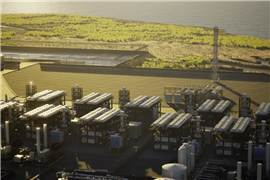
 Global demand for liquefied natural gas (LNG) is expected to increase to nearly 700 million tonnes a year by 2050, an increase of around 65% from 2025 levels1, according to Shell’s LNG Outlook 2026, as countries continue to prioritise flexible and reliable energy security offered by gas and LNG. (Image: Shell)
Global demand for liquefied natural gas is expected to increase by about 65% by 2050, reaching nearly 700 million metric tons annually, according to Shell’s LNG Outlook 2026. The company said growing demand for energy security, lower-emission fuels and flexible power generation will continue to drive investment in LNG infrastructure over the coming decades.
The forecast comes as the global LNG market navigates supply disruptions linked to the Strait of Hormuz. Shell said approximately one-fifth of the world’s monthly LNG supply has been affected by the conflict, pushing Asian spot prices above $20/MMBtu at the height of the disruption. However, increased production from North American liquefaction projects, stronger output from existing facilities and softer Asian imports have helped offset lost Middle Eastern supply.
Shell expects global LNG trade in 2026 to remain close to 2025’s total of 422 million metric tons if shipping through the Strait of Hormuz returns to normal during the summer, with stronger market growth resuming in 2027.
“The LNG industry has proved resilient and able to adapt to changing market conditions,” said Cederic Cremers, president of Shell Integrated Gas. “While more investment in both supply and demand infrastructure is needed, the long-term outlook remains strong.”
The report projects approximately 180 million metric tons per year of new liquefaction capacity will enter service by 2030, improving supply availability and supporting new demand centers. South and Southeast Asia are expected to account for about 40% of global LNG imports by 2050, driven by rising electricity demand and efforts to reduce coal consumption. Shell also identified data center development in mature Asian markets, including Japan, as an emerging source of natural gas demand.
Beyond power generation, Shell expects LNG bunkering demand to increase sevenfold to 27 million metric tons annually by 2035 as the maritime sector adopts lower-emission fuels.
For Europe, Shell said LNG will remain an important source of supply as domestic gas production declines and natural gas-fired generation continues to balance intermittent renewable power.
Meeting projected demand will require continued investment beyond projects already under construction. Shell estimates an additional 200 million metric tons per year of liquefaction capacity will be needed during the 2030s and 2040s to satisfy long-term market growth.
The report also highlights the continued maturation of the global LNG market. Since Shell first published its annual outlook in 2017, global LNG trade has increased about 60%, the number of LNG-importing countries has grown from 36 to 49, and the LNG-fueled vessel fleet has expanded from 77 ships to more than 800.

CONNECT WITH THE TEAM